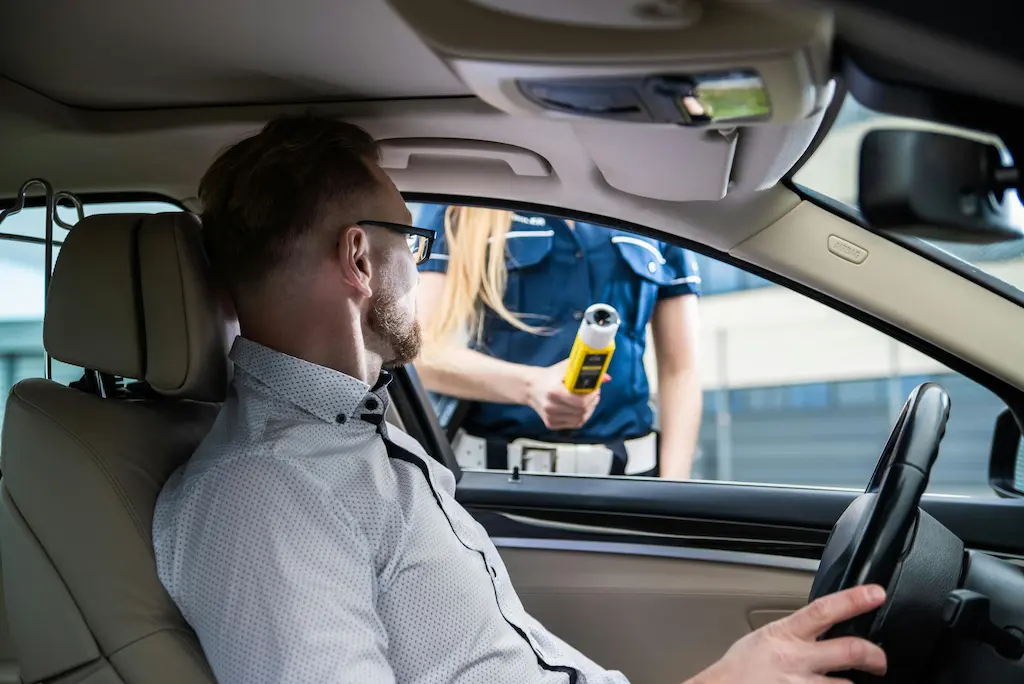

Breathalyzer tests are widely used in California DUI cases, but many drivers are shocked to learn that these devices are far from perfect. Despite being treated as authoritative by law enforcement, breath testing machines are vulnerable to errors, malfunction, and improper operation. In many cases, breathalyzer results can exaggerate blood alcohol concentration (BAC) levels or generate false positives altogether.
Understanding how breathalyzer tests fail and how DUI attorneys challenge them is essential if you are facing DUI charges. The accuracy of chemical testing can determine whether a person is convicted or whether a case is dismissed.
Breathalyzers estimate blood alcohol concentration indirectly by measuring alcohol in exhaled breath and assuming a fixed ratio between breath and blood. The problem is that this assumed ratio does not apply equally to everyone.
Factors such as temperature, lung capacity, breathing pattern, body chemistry, and health conditions significantly affect results. A person’s BAC reading can appear higher on a breath test even when their true blood alcohol concentration is lower.
Breath testing devices must be continuously calibrated and certified. If calibration procedures are missed or performed incorrectly, test results become unreliable. DUI defense attorneys frequently obtain maintenance logs and identify inconsistencies that undermine the device’s accuracy.
Improper training is a major source of error. Officers must follow exact procedures when administering breath tests. Deviations from testing protocols including observation periods, improper mouthpiece use, or misapplied test timing. Situations like such can compromise results.
Alcohol that remains in the mouth, often from burping, acid reflux, or recent drinking, can simulate higher BAC levels. Unless proper observation is enforced, breath tests can mistake mouth alcohol for lung alcohol, creating artificially elevated results.
Alcohol absorbs into the bloodstream over time. A person’s BAC can be increasing at the moment of testing even if they were under the legal limit while driving. DUI attorneys evaluate the gap between driving and testing to challenge timing-based inaccuracies.
Acid reflux, diabetes, and certain respiratory conditions can interfere with breathalyzer readings. These health issues create alcohol-like compounds that breath machines sometimes misidentify as ethanol.

Defense attorneys subpoena maintenance and calibration records. Missing logs, improper certifications, or overdue inspections can lead to suppression of breath results.
Every step taken during testing matters. Attorneys scrutinize whether officers followed observation requirements and whether instructions were administered properly.
In many cases, forensic toxicologists are retained to review machine data. Independent experts often identify violations or inconsistencies not visible to courts at first glance.
Discrepancies between blood testing and breath testing can expose breath machine faults. Attorneys use this contrast to question reliability.
Breath test results are often the prosecution’s strongest piece of evidence. When those numbers collapse, the entire case can weaken substantially. In numerous cases, flawed breath testing has resulted in charge reductions, dismissals, or favorable plea terms.
No device is infallible and no accusation should go unchallenged.
If you have been charged after a breath test:
California DUI defense requires both legal strategy and scientific knowledge.
Breathalyzers are tools, not truth machines. When errors occur, your future may depend on identifying them. Understanding how breathalyzer tests fail is the first step toward building a serious defense.
This article is for informational purposes only and does not constitute legal advice. Laws can change, and readers should always consult a qualified attorney regarding their specific situation.Last updated December 2025. Reviewed by legal professionals at The H Law Group.

No. This is a common fear and a manipulative tactic sometimes suggested by law enforcement to discourage individuals from seeking counsel. Within the legal system, hiring an attorney is not viewed as an admission of guilt. It is seen as a responsible and serious action taken by someone who understands the gravity of the situation and is exercising their constitutional rights.
This can happen in “cite and release” cases, medical emergencies, ongoing investigations, or weekend arrests. The court may set a date later and mail you a notice.
Yes. ADW doesn’t require actual injury — the act or threat of using a deadly weapon is enough for charges to be filed.
Yes. Prosecutors have up to one year for misdemeanors and up to three years for most felonies to file charges.